
From Home Games to High Stakes: Building Your Poker Journey
Every poker player starts somewhere.
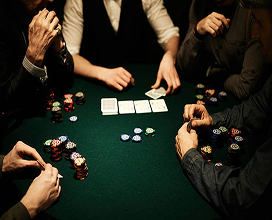
For many people, that starting point is a casual game around a kitchen table with friends or family. The stakes may be small, the rules may occasionally need explaining, and nobody is particularly worried about perfect strategy.
But over time, something changes.
You begin paying more attention to position. You notice betting patterns. You start thinking about why certain hands win and others lose. What began as entertainment slowly becomes a game you genuinely want to understand.
That progression from casual home games to more competitive poker is one of the things that makes the game so interesting.
Learn the Fundamentals First
Before worrying about advanced strategies, every poker player should develop a strong understanding of the fundamentals.
That means knowing hand rankings, betting rounds, position, pot odds, starting hands, and basic table etiquette.
These concepts may seem simple, but strong players rely on them constantly.
Understanding position is especially important.
Playing a hand from late position gives you more information because you can see what other players do before making your own decision. Early position requires more caution because several players still have the opportunity to act behind you.
The more comfortable you become with these basics, the easier it becomes to make confident decisions at the table.
Pay Attention to More Than Your Cards
One of the biggest differences between new and experienced poker players is where they focus their attention.
Beginners often concentrate almost entirely on their own cards.
Experienced players watch everything.
They notice who plays too many hands, who folds frequently, who becomes aggressive after losing a pot, and who only raises when holding strong cards.
Poker is a game of incomplete information.
You rarely know exactly what another player is holding, but every action provides clues.
Watching those actions carefully can help you make better decisions.
Start Taking Your Decisions Seriously
As you become more experienced, poker stops being simply about whether you won or lost a particular hand.
The more important question becomes:
Did I make the correct decision?
Sometimes you can make an excellent decision and still lose.
Other times you may make a poor decision and get lucky.
Long-term improvement comes from evaluating the quality of your decisions rather than judging yourself only by short-term results.
This is one of the most important mindset changes a developing poker player can make.
Create a Comfortable Playing Routine
Poker sessions can last several hours, particularly during tournaments or long home games.
Creating a comfortable routine can help you remain focused.
Choose clothing that allows you to sit comfortably for extended periods. Many players prefer relaxed shirts or poker hoodies during longer sessions because they are easy to wear and practical when room temperatures change.
Keep water nearby, take short breaks when appropriate, and avoid allowing fatigue to influence your decisions.
Small details can have a surprisingly large impact on concentration.
Learn to Manage Your Bankroll
Anyone who intends to play poker regularly should understand bankroll management.
Your poker bankroll should be money specifically allocated to the game.
It should not be money needed for rent, bills, food, savings, or other important expenses.
Proper bankroll management allows players to handle the natural swings that occur in poker without placing unnecessary financial pressure on themselves.
Even good players experience losing sessions.
The goal is to make sure those losses remain manageable.
Study Your Own Game
Improvement becomes much easier when you review your decisions.
After an interesting hand, think about questions such as:
- Was my starting hand appropriate for my position?
- Did I bet too much or too little?
- What range of hands could my opponent have?
- Did I miss information from previous betting rounds?
- Was my final decision based on logic or emotion?
You do not need complicated software to begin reviewing your play.
Simply thinking carefully about important hands can reveal patterns in your decision-making.
Develop Your Table Awareness
Poker tables contain much more information than the cards themselves.
Pay attention to stack sizes, player tendencies, betting speed, position, and previous hands.
A player who has folded almost every hand for an hour may deserve more respect when suddenly making a large raise.
Another player who constantly enters pots may have a much wider range.
Understanding these differences helps you adapt rather than using exactly the same strategy against every opponent.
Build Your Own Poker Style
As you gain experience, your personal style begins to develop.
Some players are naturally aggressive.
Others prefer a patient, controlled approach.
Some enjoy analyzing probabilities while others become especially skilled at observing opponents.
There is no single personality required to become a strong player.
The important thing is recognizing your strengths while continuing to improve weaker areas.
Your poker identity can extend beyond your playing style as well. Players often enjoy surrounding themselves with items connected to the game, from clothing to practical poker accessories they can use during games or everyday life.
Move Up Gradually
There is no need to rush from casual games into high-stakes environments.
Progress gradually.
Play against stronger opponents.
Try different formats.
Study more difficult situations.
Learn how tournaments differ from cash games.
Each experience teaches you something new.
Moving too quickly can create unnecessary pressure, while gradual progression allows your skills and confidence to grow together.
Enjoy the Journey
Poker is a game that can take years to understand deeply.
Even experienced players continue studying because strategies evolve and every table presents different situations.
That is part of what keeps the game interesting.
Whether you are currently playing friendly home games or beginning to compete more seriously, focus on learning, discipline, good decision-making, and enjoying the experience.
Every player starts somewhere.
What matters is what you learn along the way.